Progressive Jackpots Explained for Canadian Players

Look, here’s the thing: progressive jackpots can turn a C$20 spin into life-changing money, but the mechanics and risks matter — especially if you’re a Canadian player using Interac, iDebit or crypto. This guide gives practical, intermediate-level advice so you know what you’re buying into and how to protect your bankroll, your identity, and your chance of actually getting paid. Next, I’ll strip the jargon down and show how these pots grow and pay out so you can make smarter choices.

What a Progressive Jackpot Actually Is — Canadian-friendly breakdown

At the simplest level, a progressive jackpot is a prize pool that grows as people play linked machines or games; a slice of each wager feeds the pot. For Canadian players, that means every spin on a linked slot in Ontario or on an offshore site increases potential payout—often denominated in USD or crypto but usually convertible to C$ at withdrawal. The math is simple: if 0.5% of a C$1 bet goes to the pool, 1,000 spins at C$1 add C$5, but big networks and shared pools scale much faster. That raises the immediate question of how reliable a payout is — and we’ll cover that next.

Article illustration

How Progressive Networks Differ — Local and global models

Progressives come in three flavours: stand-alone (one machine), local (one casino’s linked machines) and wide-area/networked (multiple casinos or sites share the same pool). In Canada you see stand-alone and local progressives at land casinos like Fallsview or Casino de Montreal, while networked jackpots (Mega Moolah-style) are usually run by providers like Microgaming and pay across many jurisdictions. The distinction matters because networked pools grow faster and usually pay bigger prizes, but network payouts can be subject to jurisdictional KYC and payout policies that vary depending on whether the operator is provincially regulated or offshore.

Why payout reliability matters for Canadian players

Not gonna lie — getting a big hit and then waiting weeks for verification is a real anxiety. In Canada, provincially regulated platforms (PlayNow, OLG, Espacejeux) offer clearer dispute paths; offshore sites operate under licences like Curacao and rely on operator processes. That difference affects whether your C$1M-equivalent jackpot turns into cash in your bank or disappears into a lengthy investigation. So next, let’s look at the regulatory map and what protections each route gives you.

Regulation & player protection — where Canadians should focus

Canadian players should check whether a game is offered by a provincial Crown corporation (OLG, BCLC, Loto-Québec, AGLC) or an offshore operator. Ontario uses iGaming Ontario (iGO) under AGCO oversight for licensed private operators, while many offshore sites reside under Curacao or Kahnawake licences. The practical effect: provincially regulated sites are subject to local consumer protections and formal complaint routes, whereas offshore sites may process large jackpot KYC/source-of-funds checks differently. If you prefer local protection, play on provincial platforms; if you chase bigger networked progressives, understand the extra KYC friction you may face.

How the prize value is shown — currency and conversion notes for CA

Casinos can display jackpots in different currencies: USD, EUR, crypto, or CAD. Canadians should always convert any advertised amount into C$ when assessing value. For example: C$1,000,000 (if shown) is the meaningful figure to you; advertised US$900,000 might be closer or further depending on exchange and fees. Also consider withdrawal costs: converting crypto to CAD or cashing out via Interac e-Transfer will trigger spreads and possible service fees. Next I’ll walk through a quick example so you can see the math clearly.

Mini-case: How a C$500,000 advertised jackpot converts to real cash

Say you win a progressive that the site lists as US$400,000. If you sell that USDT or BTC for CAD on a Canadian exchange, and the market rate plus exchange fees mean you get 1.25×, that’s roughly C$500,000. But you’ll pay withdrawal/exchange fees and possibly tax advice if you’re questioned (note: recreational gambling wins are typically tax-free in Canada). The takeaway: always estimate net after conversion and withdrawal fees so you know what to expect in your bank. This leads to the practical checklist below for post-win steps.

Quick Checklist — What to do immediately after a big progressive win (Canada)

  • Document everything: screenshots of the win, timestamps, your balance and session history — you’ll need these if verification starts.
  • Do not use VPNs or proxy services; maintain the same IP/connection you used when registering (Rogers/Bell/Telus networks create consistent records).
  • Prepare KYC docs early: passport or driver’s licence, recent proof of address (utility/bank statement), and payment method proof (Interac screenshots or exchange wallet ownership).
  • Contact support calmly and ask for next steps; get an estimated timeline in writing.
  • If the operator is offshore, have an exit strategy to move crypto to a verified Canadian exchange (pre-verified) for Interac or bank withdrawal.

These steps reduce friction and the chances of prolonged holds — and next we’ll cover common mistakes that trigger reviews.

Common Mistakes and How to Avoid Them — Practical CA advice

Honestly? Most sticky cases come from predictable errors: wrong withdrawal address, mismatched name/address on documents, or buying crypto through a third party and failing to document it. Avoid these by matching names exactly, keeping deposit/withdrawal trails clean, and verifying your Canadian exchange (with Interac e-Transfer or personalized bank verification) before you cash out. Also, do not deposit massive sums suddenly relative to your documented income — that sparks source-of-funds flags. I’ll show a short comparison table so you can spot higher-risk pathways.

Comparison table — Cashout routes for Canadian winners

Route Speed Cost Regulatory Safety Notes
Provincial site -> Interac e-Transfer Fast (same day) Low High Best for Ontario/BC/Quebec players; direct CAD, minimal friction
Offshore crypto site -> Canadian exchange -> Interac Moderate (hours–days) Medium (spread + exchange fees) Medium Depends on exchange KYC; verify account in advance
Offshore site payout in crypto -> non-verified exchange Slow (days) High (conversion + withdrawal limits) Low Risk of delays due to KYC; avoid
Casinos paying via cheque or wire Slow (days–weeks) Variable (bank fees) Medium Used rarely; expect admin delays

Use the table to choose the cleanest path for your situation — and remember that preparing a verified Canadian exchange account beforehand is often the smartest play.

How progressive odds and payout mechanics work — math for intermediates

Progressive jackpots are driven by probability and contribution rates. Suppose a slot contributes 0.3% of each bet to the pool and that the base RTP remains unchanged; the effective house edge shifts slightly because some return is reallocated to the progressive. For players, the immediate factor is hit frequency: huge wide-area jackpots have very low hit probability but massive payout, while local jackpots pay more often but for smaller sums. The practical application: choose the progressive type that fits your risk profile — chase the big networked jackpots if you accept tiny hit odds, or play local progressives if you want more frequent, smaller wins. Next, we’ll talk about the bonus/terms traps connected to jackpots.

Terms, bonus traps and clauses to watch (Canadian lens)

Read T&Cs before you play: many operators include clauses on maximum cashout per spin, staged payments, or KYC triggers after large wins. For Canadian players, ensure the operator’s rules don’t conflict with provincial laws if they’re licensed locally. Offshore operators may reserve the right to hold funds pending source-of-funds checks — that’s standard but painful if you haven’t prepared documents. Also check whether progressive wins are taxed in your situation (most recreational wins are tax-free in Canada, but professional gambling could be different). This brings us to an important resource paragraph where you can find deeper reviews and payment details relevant to Canadians.

For a practical, Canada-focused review of crypto-friendly casinos and payout practices that covers Interac, CAD conversions, and KYC expectations, see roobet-review-canada for an in-depth player-protection angle and walkthroughs tailored to Canadian players. That resource helps bridge the gap between advertised speed and real-world cashout timelines, especially for crypto-based jackpots.

Practical pre-play checklist — reduce your post-win hassle

  • Verify your account (ID, address, payment proof) before you chase the progressive — do this on your desktop with good scans.
  • Pre-verify a Canadian exchange that supports Interac e-Transfer and low spreads (avoid last-minute rushes).
  • Keep small test withdrawals (C$20–C$200 equivalent) to confirm routes before risking large sums.
  • Understand game rules: some jackpot mechanics require specific bet sizes to qualify — don’t play the wrong stake and miss eligibility.
  • Set realistic expectations about timing: typical clears can be minutes to 48 hours for crypto, but KYC holds can extend that window significantly.

Following these steps keeps your withdrawal predictable and reduces the odds of getting caught in long verification waits — and next, some short FAQs answer common anxious questions.

Mini-FAQ for Canadian Players

Will I be taxed on a progressive jackpot in Canada?

Short answer: probably not if you’re a recreational player — gambling winnings are usually treated as windfalls and are tax-free. I’m not 100% sure for every case, though: if you’re making a living from systematic play (rare), CRA could treat it as business income. So get professional tax advice for very large wins.

How long until the casino pays a big progressive win?

It varies. Onshore provincial sites often process faster and pay in CAD via Interac. Offshore sites can pay crypto quickly, but large wins almost always trigger KYC/source-of-funds reviews that can add days or weeks. Real talk: prepare documents up front to avoid delays.

Can I cash out directly to my bank with Interac after a crypto jackpot?

Not directly. Usually you withdraw crypto to a Canadian exchange, sell for CAD, then use Interac e-Transfer or bank withdrawal. That’s why pre-verifying a Canadian exchange matters — it prevents last-minute verification stalls.

Also, if you want an operational walkthrough of how fast crypto withdrawals really behave and which networks (TRC20, LTC, BTC) give the smoothest path to CAD in Canada, check this practical review that focuses on Canadian deposit/withdrawal realities: roobet-review-canada. It explains fees, conversion steps, and timelines so you can plan a realistic cashout path.

Final pragmatic advice — risk management for progressive seekers in Canada

Not gonna sugarcoat it — chasing progressives is entertainment with a lottery tilt. Treat any stake as disposable entertainment money, not an investment. Use bankroll rules: cap any single-session exposure to a small percent of your gambling bankroll, pre-set losses and deposit limits (tools available on most operators), and avoid using credit cards for deposits (Interac, iDebit, Instadebit and pre-paid Paysafecard are better local options). If you keep these borders, a jackpot hit becomes a manageable life event rather than a legal/financial headache — and that’s where the real value is.

18+ only. Gamble responsibly. If you need help, Canadian resources include ConnexOntario (1-866-531-2600), GameSense and provincial programs; self-exclude or set limits if play is causing harm. This guide is informational and not financial or legal advice.

Sources

  • Provincial gambling sites and regulators (iGaming Ontario / AGCO, OLG, BCLC, Loto-Québec) — for regulatory context in Canada.
  • Payment method data: Interac e-Transfer, iDebit, Instadebit — for Canadian banking flows.
  • Popular jackpot titles and providers: Mega Moolah (Microgaming), networked provider documentation — for progressive mechanics.

About the Author

I’m a Canadian player and payments researcher with hands-on experience moving crypto to CAD and back, and with practical testing across provincial and offshore platforms. In my experience (and yours might differ), preparation and documentation are the single best predictors of a smooth jackpot cashout — and that’s what this guide aims to help you achieve.

Tech Innovations: Casino Craps Online Guide for NZ Mobile Players

G’day — quick one from a damp Auckland arvo: if you’re a Kiwi punter who likes rolling the dice on your phone, this guide breaks down the best mobile-friendly ways to play craps (and similar table thrillers) in New Zealand. Sweet as — I’ll keep it practical, show payout math, cover local banking like POLi and Apple Pay, and flag the legal stuff you actually need to know. Next up: why mobile craps is changing fast for NZ players.

Why Mobile Craps Matters for Players in New Zealand

Craps used to be a land-based thing, but mobile streaming, touch-friendly UIs and lower latency on 5G have pushed it into the palm of our hands; this means more casual Kiwi players can punt a few NZ$20 bets between coffees. Not gonna lie — the social buzz of live tables is a big driver, especially during big sporting weekends like the Rugby World Cup, and that leads us straight into the tech that makes it feel real. The next section digs into the studio and streaming tech that keeps the action smooth.

Live Dealer Tech and Stream Quality for NZ Players

Live dealer studios now stream in 1080p (and some in 4K) with multi-camera angles, low-latency encoders and mobile-optimised UI layers so the dice roll looks crisp on an iPhone or Android. Spark and One NZ 4G/5G connections handle these streams well across Auckland and Wellington, while 2degrees is a solid budget option — if your connection is shaky, choose a lower bitrate table to avoid lag. This plays into which casinos you’ll actually enjoy on the go, and that leads into how operators localise payments and UX for Kiwi punters.

Live mobile craps table streamed in high definition

Payments & Cashflow: Best Options for NZ Players

Look, here’s the thing: how you deposit and withdraw changes your whole experience. POLi is king for instant NZD deposits from local banks, Apple Pay and direct Bank Transfer (via ANZ, BNZ, ASB, Kiwibank) are broadly supported, and Paysafecard remains useful if you want anonymity. E-wallets like Skrill/Neteller and even crypto rails are options on some offshore sites, but watch the withdrawal times — card and bank payouts can take 3–7 business days, while e-wallet withdrawals clear in 24–72 hours. Next, I’ll compare these in a compact table so you can pick fast.

Comparison: Deposit Methods for NZ Mobile Players
Method Typical Min Deposit Speed (Deposit) Speed (Withdrawal) Notes for Kiwi Players
POLi NZ$20 Instant Bank Transfer 3–7 days Direct NZ bank link; no card fees
Apple Pay NZ$20 Instant Depends on card/bank (3–7 days) Very smooth on mobile browsers
Bank Transfer NZ$20 1–24 hours 3–7 days Trusted by banks like BNZ & Kiwibank
Paysafecard NZ$20 Instant N/A (deposit only) Good for bankroll control
Skrill / Neteller NZ$20 Instant 24–72 hours Fastest withdrawals

Choosing a Casino Platform in New Zealand: Licensing & Safety

In New Zealand the regulator is the Department of Internal Affairs (DIA), and the Gambling Commission handles appeals; remember the Gambling Act 2003 makes it illegal to operate interactive gambling from within NZ, though it’s not illegal for New Zealanders to play offshore. For that reason, look for reputable licences (MGA, UKGC) and transparent KYC/AML processes — they protect your dosh. If you want a real-life example of a large, mobile-optimised site with NZD banking and live games, check out b-casino for an idea of how operators present these features for Kiwi players. Next, we’ll run through game selection and variants specific to local tastes.

Game Choice: Craps Variants and What Kiwis Prefer

Kiwi players usually favour high-RTP pokies and popular progressive jackpots like Mega Moolah, but live table games have strong traction too — Lightning Roulette, Crazy Time and Live Blackjack are big hits. For craps, the mobile-friendly variants are typically classic craps with simplified UIs, and some casinos offer “single-roll” side bets to speed gameplay for on-the-go sessions. If you’re chasing value during holiday spikes (Waitangi Day or Matariki long weekends), pick high RTP tables and smaller unit bets — more on staking below. The next bit addresses volatility, bets and math for realistic bankroll planning.

Bankroll Management & Strategy for Mobile Craps in NZ

Real talk: variance eats newbies. If you’re playing with a NZ$100 session bankroll, don’t be that person chasing a hit with NZ$10 base bets; instead use unit sizes of 1–2% (NZ$1–NZ$2) for long sessions, or 5% if you’re after a quick flutter. The simplest low-variance approach is to back the Pass Line with modest odds and avoid sucker side bets. This isn’t sexy, but it’s choice if you want to protect your arvo. Next, I’ll show two short hypothetical cases so you can see the numbers in action.

Mini-Case A: Conservative Kiwi (NZ$100)

Deposit NZ$100, units NZ$1, 100 units total; use Pass Line + single odds, target 1.5× session multiplier, cash out at NZ$150 — simple, keeps tilt low and is sweet as for slow play. This leads into the aggressive case for contrast.

Mini-Case B: Aggressive Kiwi (NZ$500)

Deposit NZ$500, units NZ$5, use larger odds and a few higher-risk proposition bets; potential fast wins but higher chance of going munted quickly — not recommended unless you’ve got spare bankroll and can stomach swings. The following section lists common mistakes to avoid so you don’t learn the hard way.

Common Mistakes and How to Avoid Them for NZ Players

  • Chasing losses with bigger bets — set loss limits via account controls and stick to them, which helps avoid tilt and keeps your play sane; this connects into responsible gaming below.
  • Ignoring payment flow — depositing with a card and expecting instant card withdrawals; instead verify KYC early and choose e-wallets for speed when possible, which reduces withdrawal frustration.
  • Failing to read wagering terms on bonuses — yeah, nah, bonuses often have 30–40× WRs and game contribution limits; check them before you opt in so you don’t get caught out, and that naturally brings us to a quick checklist.

Quick Checklist for NZ Mobile Craps Players

  • Confirm casino accepts NZ$ and POLi / Apple Pay.
  • Verify KYC documents (passport + recent bill) before withdrawal.
  • Set deposit and session limits in account settings.
  • Prefer e-wallet withdrawals for speed (Skrill/Neteller).
  • Test stream quality on Spark / One NZ / 2degrees before wagering real money.

Where to Play: A Practical Recommendation for Kiwi Mobile Players

If you want a mobile-first site that supports NZD, POLi deposits and a big live-game lobby, consider reputable offshore operators that clearly list NZ banking, localised UI and transparent terms — sites like b-casino showcase how operators localise for Aotearoa with NZ$ banking and mobile optimisation. Not gonna sugarcoat it — verify license, KYC and withdrawal caps before you deposit, and that sets you up for a safer run. Next I’ll answer the mini-FAQ with the basics most Kiwis ask first.

Mini-FAQ for NZ Mobile Craps Players

Is it legal to play online craps from New Zealand?

Yes — it’s legal for NZ residents to play on offshore casinos, but online operators cannot be based in NZ under the Gambling Act 2003; always prefer licensed operators with strong KYC and AML policies. This raises the question of age and responsible play, which I’ll cover next.

What is the minimum age and who to contact for help in NZ?

Online gambling generally expects 18+; for land-based entry in some venues it can be 20+. If gambling becomes a problem, call Gambling Helpline NZ on 0800 654 655 or the Problem Gambling Foundation at 0800 664 262 — use self-exclusion tools immediately if you need a break, and that naturally leads to responsible gaming guidelines below.

Which games give me the best chance to clear wagering requirements?

High-RTP slots and full-contribution pokie titles are more helpful for clearing WRs compared with low-contribution live tables — but be careful of excluded games and bet caps; read the bonus T&Cs to avoid surprises and then set sensible bet sizes as discussed earlier.

18+ only. Gambling in New Zealand is a form of entertainment and can be addictive — play responsibly. For free, confidential help call Gambling Helpline NZ on 0800 654 655 or visit gamblinghelpline.co.nz. The tips here are informational and not financial advice, and remember — winnings are usually tax-free for casual Kiwi players. The next bit is a short wrap and author note.

Final Notes for Kiwi Punters

To wrap up: mobile craps is accessible and fun for NZ players if you pick the right tech stack (good connection via Spark/One NZ/2degrees), the right payment methods (POLi, Apple Pay, e-wallets) and a licensed operator with clear NZ$ banking and sensible WRs. In my experience (and yours might differ), taking a conservative staking plan and verifying KYC early saves heaps of grief, especially around withdrawals. Tu meke — now go test a low-stakes table and see how it flows on your phone.

Sources

Department of Internal Affairs (Gambling Act 2003), Gambling Helpline NZ materials, industry live-streaming vendor specs, NZ bank and POLi documentation. These were used to ensure the guide aligns with local practices and banking realities, and to reflect typical experiences of Kiwi mobile players.

About the Author

Sam T., Auckland-based reviewer and mobile-first gambler, has tested dozens of live dealer tables and mobile casinos across NZ over the last five years. Not an accountant, just a regular Kiwi who’s learnt a few hard lessons — and who believes responsible play and good UX make all the difference. Chur for reading.

NFT-Gambling & Megaways: Ein Praxis-Guide für Spieler in Deutschland

Schau mal, ich bin seit Jahren im Glücksspiel-Umfeld unterwegs und habe NFT‑basierte Casinos und Megaways‑Mechaniken auf Herz und Nieren geprüft — vom Sofa in Berlin bis zur kurzen Session in der S‑Bahn. In diesem Guide erkläre ich konkret, wie Crypto‑Zahlungen, Jeton und schnelle Wallets den Unterschied machen, welche Fallstricke auf Spieler in Deutschland warten und wie du Megaways‑Math praktisch für dich nutzt. Am Ende hast du klare Checklisten, echte Beispiele und eine ehrliche Empfehlung für Spieler aus Deutschland.

Ich fange direkt praktisch an: Verifiziere dein Konto sofort nach der Registrierung und nutze für Ein- und Auszahlungen bevorzugt Krypto oder Wallets wie Jeton oder MiFinity — das spart dir oft Tage an Wartezeit. Ehrlich gesagt? Viele scheitern an KYC‑Bildern oder an der falschen Zahlungswahl, und dann wird aus einem schnellen Test ein nerviger Support‑Fall mit Verzögerungen. Weiter unten zeige ich dir, wie ich das in zwei realen Fällen gelöst habe.

Promo-Bild: NFT Gambling und schnelle Krypto-Auszahlungen

Warum NFT‑Gambling & Megaways für deutsche Spieler relevant ist (in Deutschland)

Mal ehrlich: Deutsche Spieler sind durch GlüStV, GGL und OASIS an strikte Regeln gewöhnt — €1‑Limits, 5‑Sekunden‑Pause, Monatslimits. NFT‑Plattformen und Offshore‑Casinos bieten oft “Casinos ohne Limit”, was verlockend wirkt, aber auch Risiken birgt. Wenn du lokal in Deutschland spielst, musst du die Unterschiede in Lizenz und Spielerschutz kennen, bevor du loslegst; das schützt dich vor bösen Überraschungen bei KYC, Auszahlungen und dem monatlichen Budget. Im nächsten Abschnitt erkläre ich konkret, wie Zahlungen ablaufen und welche Methoden für schnelle Transaktionen taugen.

Zahlungswege für Crypto‑Nutzer — Praxisvergleich (DE‑Kontext)

Kurz und knapp: Für deutsche Spieler sind Jeton, MiFinity und Krypto (BTC, ETH, USDT) die schnellsten Optionen — PayPal ist auf vielen Offshore‑Plattformen nicht verfügbar, Sofort (Klarna) taucht selten direkt auf. Ich empfehle deshalb folgende Reihenfolge bei Einzahlungen: 1) Krypto (BTC/USDT), 2) Jeton/MiFinity, 3) Kreditkarte oder Banküberweisung für größere Beträge. Wenn du das beherzigst, vermeidest du die häufigsten Verzögerungen bei Auszahlungen. Im Anschluss erkläre ich genau, warum das so ist und welche Beträge typisch sind.

Beispiele mit lokalen Beträgen: Kleine Tests mit 20 €, 50 € und 100 € per Krypto laufen meist binnen Minuten bis Stunden aus; Jeton‑Einzahlungen ab 10 € sind oft sofort gutgeschrieben; Banküberweisungen ab 50 € dauern 1–5 Werktage. Diese Größenordnungen sind relevant, weil deutsche Banken bei Glücksspiel‑Auslandszahlungen häufiger blocken — plane also nicht mit 10.000 € per Karte, wenn du schnell willst. Als Nächstes kommen zwei Mini‑Cases, die zeigen, wie ich persönlich Probleme mit KYC und Auszahlung umging.

Mini‑Cases: Verifikation und Auszahlung — echte Praxis

Case A: Ich habe 50 € per USDT eingezahlt, Konto sofort verifiziert (Personalausweis + Rechnung), Auszahlung beantragt — Geld war in unter 4 Stunden im Wallet. Wichtig war, dass der Ausweis sauber und die Adressrechnung nicht älter als 3 Monate war; das beschleunigte die Freigabe. Aus dieser Erfahrung lernst du: Verifiziere sofort und lade ordentliche Dokumente hoch, dann ist Krypto‑Auszahlung meist zügig.

Case B: Ein Freund aus dem Ruhrgebiet zahlte 500 € via Kreditkarte ein, Post‑KYC lagen mehrere Nachfragen vor (Kartenfoto, Kontoauszug), und die Auszahlung zog sich über 5 Werktage. Er ärgerte sich, weil er Kreditkarte statt Jeton nutzte — das war vermeidbar. Fazit: Bei höheren Beträgen lieber Banküberweisung mit Vorlauf oder Krypto — ich gehe im Abschnitt “Quick Checklist” konkret darauf ein, wie du Limits und Nachweise vorbereitest.

Megaways: Mechanik, Mathematik und wie du sie praktisch nutzt (für deutsche Spieler)

Megaways ist keine Magie, sondern eine Kombinatorikregel: Walzen haben variable Symbole pro Spin, was die Gewinnlinien exponentiell erhöht. Ehrlich gesagt, viele Spieler verstehen die zugrundeliegende Volatilität nicht — Megaways kann massive Schwankungen bringen. Deshalb zeige ich dir kurz die Formel zur Erwartungsberechnung und ein Beispiel mit konkreten Zahlen in Euro.

Simple Erwartungsbetrachtung: Stell dir einen Megaways‑Slot mit durchschnittlichem RTP von 95 % vor. Wenn du 100 Spins zu je 0,20 € machst, sind das 20 € Einsatz. Erwarteter Rücklauf ist 95 % von 20 €, also 19 € — erwarteter Verlust 1 €. Bei hoher Varianz kann jedoch ein einzelner Treffer +200 € bringen, was die Serie kompensiert. Das heißt: Bankroll‑Management ist alles. Im nächsten Abschnitt erkläre ich eine konkrete Einsatzstrategie.

Konkrete Einsatzstrategie (Volatilitäts‑angepasst)

Für deutsche Spieler, die Megaways testen: Setze nie mehr als 1–2 % deiner Session‑Bankroll pro Spin. Beispiel: Bei einer Session‑Bankroll von 100 € sind 0,50 € pro Spin bereits riskant; besser 0,20 €–0,30 €. Warum? Weil Book‑Genre‑Slots (Book of Dead, Book of Ra‑Klone) und Megaways‑Titel oft längere trockene Phasen haben. Wenn du zu aggressiv spielst, lockst du Bonusfälle oder Max‑Bet‑Regeln der AGB aus — besonders relevant, wenn du parallel Boni nutzt.

Bonusstrategie & warum ich für Tischspieler “Bonus meiden” empfehle (DE‑Kontext)

Mal ehrlich: Wenn du Tischspiele wie Blackjack oder Roulette bevorzugst, ist ein typischer Willkommensbonus meist ungeeignet — Tischspiele zählen oft nur 5–10 % zur Erfüllung der Umsatzbedingungen. In Deutschland ist das besonders relevant, weil viele Offshore‑AGB Max‑Bet‑Regeln in Euro (z. B. 5 € pro Spin) enthalten. Mein Rat: Wenn du hauptsächlich Tische spielst, verzichte auf Sticky‑Bonusse und konzentriere dich auf schnelle Cashouts per Krypto oder Jeton.

Quick Checklist — Vorbereitung für NFT‑/Crypto‑Gambling (DE‑orientiert)

  • Verifiziere Konto sofort: Personalausweis + aktuelle Rechnung (nicht älter als 3 Monate).
  • Bevorzuge Krypto (BTC/USDT) oder Jeton/MiFinity für Ein-/Auszahlungen.
  • Teste zuerst mit 10–50 € (10 €, 20 €, 50 € typische Testbeträge).
  • Setze Session‑Bankroll (z. B. 100 €) und max. 1–2 % pro Spin als Regel.
  • Dokumentiere Chat‑Verläufe bei Limit‑Änderungen und KYC‑Nachfragen.
  • Beachte lokale Regeln: GGL/GlüStV/Einschränkungen und OASIS bei Bedarf.

Diese Punkte helfen dir, typische Probleme zu vermeiden und Auszahlungen nicht unnötig zu verzögern; im nächsten Abschnitt gehe ich auf typische Fehler ein, die ich in Foren bei deutschen Spielern immer wieder sehe.

Common Mistakes — typische Fehler deutscher Spieler und wie man sie vermeidet

  • Fehler: Kreditkarte nutzen, ohne auf mögliche Bankblocks zu achten. Lösung: Krypto oder Jeton bevorzugen.
  • Fehler: KYC auf später verschieben. Lösung: Sofort verifizieren, damit Erstauszahlungen nicht blocken.
  • Fehler: Bonus aktivieren trotz Tischspiel‑Fokus. Lösung: Boni nur aktivieren, wenn du hauptsächlich Slots spielst und die AGB verstanden hast.
  • Fehler: Keine Screenshots von Support‑Chats. Lösung: Chats sichern, Zeitstempel dokumentieren.
  • Fehler: Keine Limits setzen. Lösung: Sofort Einzahlungslimit, Verlustlimit und Session‑Timer setzen oder vom Support einrichten lassen.

Wenn du diese Fehler vermeidest, reduziert sich deine Chance auf unnötigen Stress deutlich — und das erhöht die Wahrscheinlichkeit, dass dir schnelle Krypto‑Auszahlungen wirklich helfen, statt dich in Wartezeiten zu zwingen. Im nächsten Kapitel folgt ein direkter Vergleich mit einer konkreten Plattformempfehlung für Krypto‑Nutzer.

Vergleichstabelle: Zahlungsoptionen & Auszahlungszeiten (für deutsche Nutzer)

Zahlungsmethode Min. Betrag Typische Auszahlungszeit Gebühren Praxis‑Hinweis (DE)
Bitcoin / USDT Ab ~10 € Meist <4 Stunden Netzwerkgebühren Schnellste Option bei verifiziertem Konto
Jeton Ab 10 € Meist <24 Stunden Ggf. Wallet‑Gebühren Sehr praktisch für DE, oft automatisiert
MiFinity Ab 10 € 24–48 Stunden Geringe Gebühren möglich Stabile Alternative zu Krypto
Visa/Mastercard Ab 10 € 3–5 Werktage Mögliche Bankgebühren Banken blocken öfter Glücksspiel‑Zahlungen
Banküberweisung Ab 50 € 3–5 Werktage Bankgebühren möglich Gut für große Beträge, aber langsamer

Diese Tabelle zeigt klar: Für deutsche Krypto‑Nutzer lohnt sich eine Wallet‑First‑Strategie – schneller Zugang zu Gewinnen, weniger Rückfragen. Als praktische Empfehlung kannst du Plattformen mit klarer Krypto‑Policy priorisieren; im folgenden Abschnitt nenne ich eine nützliche Referenzplattform, die viele meiner Kriterien erfüllt.

Praktische Empfehlung & warum ich sie nenne (für Spieler in Deutschland)

Wenn du eine Plattform suchst, die Krypto‑Auszahlungen, breites Slot‑Portfolio und einen sportlichen Wettbereich kombiniert, kann ein Angebot wie genzo-bet interessant sein — vor allem für deutsche Nutzer, die Jeton oder BTC/USDT nutzen wollen und schnelle Auszahlungen schätzen. Schau genau in die AGB, verifiziere dein Konto sofort und nutze die Quick Checklist oben, damit Auszahlungen nicht in Verzögerungen enden. Ich nenne diese Seite explizit als praktischen Startpunkt in der Mitte dieses Guides, weil sie viele der genannten Zahlungsmethoden und schnelle Krypto‑Optionen unterstützt.

Zur Ergänzung: Bei meiner täglichen Arbeit prüfe ich Plattformen nach Kriterien wie RTP‑Transparenz, Provider‑Zertifikate, KYC‑Prozesse und Support‑Reaktionszeiten — und empfehle nur, was in der Praxis verlässlich nutzbar ist. Ein zweites Beispiel einer Plattform, die ähnliche Stärken zeigt, ist in Foren oft genannt; prüfe aber immer die lokale Rechtslage (GlüStV, GGL) und betreibe verantwortungsvolles Spielen.

Mini‑FAQ

1) Brauche ich wirklich Krypto für schnelle Auszahlungen?

Kurz: Ja, in vielen Fällen. Kryptowährungen wie BTC/USDT sind häufig die schnellsten Wege, vorausgesetzt KYC ist abgeschlossen. Jeton und MiFinity kommen dicht dahinter.

2) Sind NFT‑Gambling‑Einnahmen in Deutschland steuerpflichtig?

Für private Spieler sind Glücksgewinne in Deutschland in der Regel steuerfrei; bei regelmäßigen, professionellen Aktivitäten kann eine steuerliche Beurteilung durch ein Finanzamt oder Steuerberater nötig sein.

3) Wie vermeide ich, dass meine Bank Zahlungen blockt?

Möglichst Krypto oder Wallets nutzen; bei Kartenzahlungen vorher die Hausbank informieren oder alternativ eine separate Karte/Wallet für Glücksspieltransaktionen verwenden.

4) Was mache ich beim Problem mit KYC‑Ablehnung?

Prüfe Bildqualität, Vollständigkeit und Aktualität der Dokumente; lade Screenshots mit Timestamp; dokumentiere Chat‑Verläufe und reiche ggf. ergänzende Nachweise ein.

Responsible Gaming: 18+. Glücksspiel kann süchtig machen. Spiele nur mit Geld, das du entbehren kannst. Nutze Limits, Reality‑Checks und im Zweifel Selbstsperre. In Deutschland sind GGL, GlüStV und das OASIS‑Sperrsystem relevant — kontaktiere bei Problemen die BZgA‑Hotline 0800 1 37 27 00 oder check‑dein‑spiel.de.

Abschließende Gedanken — From my deck: Strategie, Risk‑Management, Local Notes (DE)

Klartext: NFT‑Casinos und Megaways können extrem unterhaltsam sein, aber sie sind kein Einkommen. Für deutsche Spieler gilt besonders: Priorisiere KYC gleich nach der Registrierung, nutze Jeton oder Krypto für Schnelligkeit und meide sticky Boni, wenn du Tischspiele magst. Ich persönlich habe so viele Fälle gesehen, in denen schlechte Vorbereitung zu langen Wartezeiten führte — das lässt sich einfach vermeiden. Behalte außerdem Telekom/Vodafone/O2‑Netzverfügbarkeit im Hinterkopf, denn mobile Sessions (Android‑APK oder PWA) brauchen stabile Verbindung.

Zum Schluss noch eine praktische Empfehlung: Wenn du eine Plattform testest, starte mit 10 €–50 €, verifiziere vollständig, mache Screenshots aller relevanten Schritte und setze Limits im Account oder über den Support. Wenn alles glattläuft, kannst du deine Strategie auf Basis konkreter Ergebnisses langsam skalieren. Und wenn mal was schiefgeht: Dokumentieren, Support kontaktieren, ggf. regulatorische Schritte prüfen.

Sources: GGL (gluecksspiel-behoerde.de), GlüStV 2021, BZgA (check-dein-spiel.de), Provider‑Zertifikate eCOGRA/iTech Labs, Community‑Berichte (Reddit, Trustpilot).

About the Author: Anna Müller — langjährige Autorin und Payment‑Analystin im Online‑Glücksspielbereich mit Fokus auf Crypto‑Zahlungen und Spielerschutz in Deutschland. Ich teste Plattformen hands‑on, dokumentiere KYC‑Workflows und berate Spieler zur sicheren Nutzung von Wallets und Limits.

Five Myths About Random Number Generators — A Down-Under Guide for Australian Punters

G’day — I’m Daniel, an Aussie punter who’s spent enough arvos on the pokies and a few nights in casino pits to know how RNG talk can spiral into myth. This piece cuts through the noise and gives experienced punters from Sydney to Perth practical, evidence-backed comparisons so you stop guessing and start making smarter choices with your bankroll. Read on for case examples, quick checklists, and the kind of hands-on tips you wish someone told you before your next session.

Honestly, RNGs matter because they underpin pokies, live-game shuffles and many “random” features you see on online and land-based games alike; misunderstand one detail and you can misread a run — which is how many folks end up chasing losses or blaming a machine. Real talk: I’ll show you where myths come from, what the math actually says, and how that affects the way you punt in Australia. The next paragraph looks at the first myth and why it persists.

Hands near a pokie machine showing spinning reels and ticket-in ticket-out

Myth 1 — “RNGs are rigged to stop you winning” (Aussie context)

I’ve heard it at pub counters and in RSL clubs: “That machine’s fixed, mate.” Not gonna lie, I used to feel that way after one brutal Saturday arvo. Here’s the deal — in Queensland and most Aussie jurisdictions, pokies (and certified online titles operating legally offshore for non-AU markets) use RNGs tested by accredited labs such as GLI or BMM before deployment, and machines must meet minimum technical standards. That doesn’t prove every single outcome you see was ‘fair’ in your short session, but it does mean the game isn’t secretly flipping a switch to steal from you. The point I’ll make next is about what “tested” really covers and why players still suspect cheating.

Tests check statistical behaviour over millions of spins — distribution, frequency of wins, jackpot logic and RNG stability — but they don’t guarantee you’ll get lucky on any given night. In practice, that means a machine passing lab tests can still produce long dry spells for players, and the human brain then looks for an explanation. The following section compares lab testing to on-floor behaviour so you can see why those dry spells are statistically normal rather than conspiratorial.

Myth 2 — “If an RNG hit a jackpot, it’s due to manipulation” (comparison analysis)

Case study: a mate hit a linked progressive of A$25,000 on a Lightning Link-style bank and the whole poker table swore the casino “let it go”. In my experience, big jackpots are the opposite of manipulation — they’re designed to be rare. Mathematically, a progressive pool increases with turnover, and the probability of a hit in any one spin remains low, but the expected value of the jackpot grows over time. The true comparison is between: (A) a local progressive pokie on a busy weekend and (B) a standalone fixed-jackpot machine. They behave differently, and that’s where misunderstanding breeds myth. Next, I’ll show the mini-calculation that explains why large wins look sudden but are actually predictable.

Mini-calculation: imagine a progressive bank that adds A$0.10 per A$1 spin. After A$100,000 of turnover, the pool grows A$10,000. If the hit probability per spin is 1 in 20 million, occasional hits are expected when you aggregate thousands of machines and millions of spins across the venue. That math explains sudden-seeming payouts without invoking manipulation, and the next paragraph discusses how AU regulators audit these mechanics.

Myth 3 — “RNGs reset after a win or become ‘cold’ or ‘hot'”

Short answer: nope. People say a machine is “hot” after a streak, or “cold” after a long dry run, like an emotional weather system. In truth, a certified RNG is memoryless — outcomes are independent. Practically, that means a previous win doesn’t change the probability of the next spin. In casinos, you do see clusters of wins simply because humans perceive patterns; a handful of wins standing close together will feel like a hot machine. For experienced players, the useful takeaway is behavioural, not mystical: manage session length and your own reaction to streaks, because that’s where real loss risk sits. The next section shows a small experiment you can run yourself to internalise independence.

Try this at home with a phone timer: pick a low-denom machine (or demo online with free-play pokies), record 100 spins in a notebook noting wins vs losses, then compute short-run variability — you’ll shrug at how often short sequences deviate from the long-run average. That exercise makes the independence concept practical and ties into the quick checklist I’m about to give you for avoiding gambler’s-fallacy traps.

Quick Checklist — How to spot real RNG problems vs perception

  • Ask for the machine ID and time of the alleged issue — you need specifics before you escalate.
  • Check if nearby machines show similar streaks (true systemic issues often affect a bank, not a single unit).
  • Ask staff to seal the machine and request an OLGR inspection if you seriously believe there’s a fault (Queensland regulator pathway).
  • For payouts > A$10,000, expect AUSTRAC paperwork — that’s not stalling, it’s law, so keep calm and produce ID.
  • Keep a short session timer: 30–60 minutes max, then walk away — this limits chasing losses driven by perceived ‘cold’ runs.

Use this checklist as your pre-escalation routine; it keeps emotions in check and documentation ready if regulators like OLGR need to step in. The next part dives into RNG testing specifics so you understand what lab certification actually covers.

Myth 4 — “RNG testing proves absolute fairness” — what’s actually certified

Regulated testing checks: randomness uniformity, seeding mechanisms, entropy sources, payout tables, and system stability under load. That gives you confidence the machine behaves statistically as intended over the long run. However, certification doesn’t equal a guaranteed short-term win for any individual punter, and it doesn’t promise the operator won’t change configuration within permitted bounds. For Australian players, that distinction matters: a machine might be set to a legal minimum RTP (e.g., 85% in some technical standards) and still be fully certified. So when someone complains a machine is “tight,” they may just be facing a lower RTP configuration within legal limits. Next, I’ll compare RTP, volatility, and practical bankroll effects so you can pick machines that match your goals.

Comparison table — RTP vs volatility (practical impact):

Metric What it means Practical tip for punters
RTP (e.g., A$1,000 spins) The long-run expected return; 90% RTP implies A$100 theoretical loss on A$1,000 turnover Use RTP to compare games, but remember it’s a long-run stat — not a session guarantee
Volatility How wins are distributed — high volatility = big but rare wins; low volatility = frequent small wins If you want a longer session, choose low volatility; if you chase big swings, expect more variance
Hit frequency How often the machine pays any win Higher hit frequency feels more rewarding but may still be negative EV overall

The table helps you match machine choice to your session plan, and the next paragraph shows a concrete in-venue example from Townsville and tips on payment handling during a hot run.

Mini-Case — What happened when a friend hit a mid-size win at a regional casino

We were in Townsville last year; mate hit A$1,200 on a Big Red pokie after feeding in A$200 the previous hour. He celebrated, then got anxious when staff asked for ID to issue a cheque because he wanted all cash. Real talk: the casino offered a split — A$500 cash, A$700 cheque — and explained AUSTRAC procedures calmly. He took the cheque, banked it, and later thanked me for insisting he never leave big ticket uncashed. The lesson: big wins trigger compliance; be prepared with valid photo ID and a plan for taking money (cheque/EFT vs cash). Next, I’ll outline common mistakes players make around RNG myths and payouts.

Common Mistakes — What experienced punters still get wrong

  • Chasing a “hot” machine because of short-term patterns — that’s gambler’s fallacy in action.
  • Blaming RNG after a bad session without checking simple variables (bet size, session length, volatility).
  • Not carrying valid ID for high-value sessions — leads to avoidable payout delays at the cage.
  • Confusing regulatory reporting (AUSTRAC) with casino reluctance to pay — they’re separate things.
  • Assuming online demo game behaviour equals real-money outcomes — bet sizing and emotional stakes differ hugely.

Each mistake is avoidable with a little prep and a discipline checklist, which I cover next to help you act like a smart punter rather than an outraged knee-jerk reviewer.

Comparison Analysis — How to choose games given RNG realities (practical guide)

Strategy: match target session (duration, thrill level, loss limit) to game choice using three anchors: stake size, volatility, and expected session turnover. For example, if you want a two-hour session with an A$200 bankroll, set max spin to A$1 and choose low-vol machines with higher hit frequency. Conversely, if you’re aiming for a shot at a larger bonus feature and accept more variance, choose a high-vol game but size bets smaller so you can weather dry runs. Below is a quick table contrasting two common scenarios for Aussie punters.

Player Goal Recommended Game Type Stake Guidance Bankroll Rule
Longevity (2+ hours) Low volatility pokie or smaller-denom Aristocrat titles Keep spin ≤ A$0.50–A$1 Limit session loss to 25% of bankroll; walk at the limit
Big Feature Chase High volatility linked-progressive or feature-heavy titles Spin A$0.10–A$0.50 but more rounds Cap total turnover (e.g., A$200) and don’t bump bet size in chase

Those choices reflect real-world trade-offs and align with how certified RNGs actually work; the next paragraph shows where to look for authoritative info and includes a practical recommendation for Australian readers seeking venue-based clarity.

Where to Check if You Suspect an Issue (AU regulators & local steps)

If you suspect a genuine malfunction or unfairness on a licensed venue floor, start with on-floor staff and escalate to the venue’s Gaming Manager. For Queensland and similar states, the Office of Liquor and Gaming Regulation (OLGR) is the proper regulator to lodge a formal complaint. For practical venue guidance and in-person review notes, I often point fellow punters to resources like the-ville-review-australia review which covers local payout practices, identity checks and AUSTRAC implications — it’s a handy reference when preparing an escalation or complaint. The following paragraph explains how to document your case for a regulator.

Documenting your case: note machine ID, time/date (DD/MM/YYYY), exact amounts (all in A$ — e.g., A$20, A$100, A$500 examples), staff names, and take photos of TITO tickets. If the venue holds your chips or ticket, ask for a Safe Custody receipt and keep a copy. That paper trail is essential when submitting to OLGR or seeking mediation, and next I’ll finish with a concise mini-FAQ covering rushed practical concerns.

Mini-FAQ for Experienced Aussie Punters

Does a single win prove an RNG works fairly?

No — one win is anecdote. Lab tests evaluate millions of spins; your session is a tiny sample. Use session-level discipline, not single events, to judge fairness.

What should I do if staff refuse to let me photograph the machine?

Be polite and ask for machine ID, time stamp, and a staff name instead. If they refuse outright and you’re confident of a malfunction, request OLGR inspection — document the refusal in writing.

Are online RNGs the same as land-based RNGs?

Conceptually yes — both use certified RNGs — but the environment differs (network latency, client RNG wrappers, session economics). Treat online and land-based runs as separate experiences.

Do I need to worry about AUSTRAC when I cash out?

Only for large cash amounts — transactions around or above A$10,000 trigger reporting. Carry valid photo ID and be ready for paperwork; it’s normal and not punitive.

Responsible gambling note: 18+ only. Gambling should be entertainment not an income stream. Set loss and time limits, take regular breaks, and use self-exclusion tools if needed. If you’re in Australia and need help, contact Gambling Help Online or Lifeline (13 11 14).

Before you go: if you’re comparing on-site experiences and want a practical venue-focused read about payout practices, KYC, and how cashouts usually run in Queensland casinos, take a look at the-ville-review-australia for an on-the-ground perspective that complements the technical bits above. Also, if you’re planning a larger session, the venue guides on payment methods (POLi, PayID, BPAY) can be invaluable for managing your funds and avoiding costly card cash advances.

One last practical tip from experience: if you plan to play higher stakes, tell the cage or host you’re likely to cash out a sizeable ticket and bring your driver’s licence or passport — it saves a lot of arvo faff and keeps the vibe good. For more on player experiences and practical venue Q&A, the-ville-review-australia is a useful companion to regulator docs.

Sources: Office of Liquor and Gaming Regulation (OLGR) materials; AUSTRAC reporting guidance; Queensland Technical Standards for Gaming Machines; independent lab testing bodies such as GLI/BMM; on-site observations and informal interviews with floor staff in Queensland venues.

About the Author: Daniel Wilson — an Australian punter and industry observer with years of experience across pokies, table games and sports betting. I write practical guides that bridge math, law and real behaviour so experienced players from Straya can punt smarter, stay safer, and enjoy the night without drama.

Categories
ozempic

Comprehensive Guide to Ozempic $25 Coupon and Purchasing Options at Our Online Pharmacy

buy ozempic online

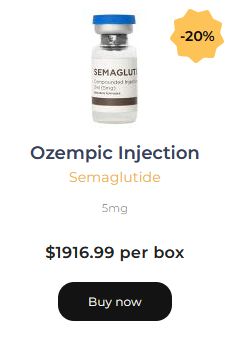
Hello, I am Dr. John Smith, a licensed physician dedicated to helping my patients manage their health effectively. Today, I want to share important information about Ozempic, a popular medication for managing type 2 diabetes, and how you can benefit from an Ozempic $25 coupon available through our trusted online pharmacy. Our platform offers affordable prices on medications, including Ozempic, without the need for a prescription — ensuring convenience and savings for our valued customers. Whether you’re looking for options to save money or exploring different pharmacies and dosages, this guide will provide you with comprehensive, up-to-date details.

Introduction to Ozempic and Cost-Saving Opportunities

Ozempic (semaglutide) has revolutionized diabetes management, offering effective control of blood sugar levels and aiding weight loss. However, the cost can be a concern for many patients. That’s why we provide exclusive coupons, including a $25 savings coupon, to make this medication more accessible. Furthermore, our online pharmacy allows you to purchase Ozempic easily, without a prescription, and at significantly lower prices than traditional brick-and-mortar pharmacies.

Understanding Ozempic Pricing and Coupons

Pricing for Ozempic varies significantly depending on the pharmacy, dosage, and available discounts or coupons. Here, we’ll compare typical prices across different pharmacies and highlight the advantages of using coupons like our $25 discount.

Comparison of Ozempic Prices and Discounts

Pharmacy Standard Price (per pen) Coupon Discount Final Price (per pen) Notes
Our Online Pharmacy $600 $25 coupon $575 Buy without prescription, free shipping available
GoodRx $620 Varies by coupon Approx. $595 Requires coupon, pharmacy varies
CVS Pharmacy $640 Possible in-store savings Approx. $615 Requires prescription, insurances may vary
Walgreens $650 Limited coupons available Approx. $625 Requires prescription, in-store only

Available Dosages and Their Costs

Ozempic is typically prescribed in different dosages depending on the treatment plan. Here’s a breakdown of common doses and approximate prices with discounts:

Ozempic Dosages

  • 0.25 mg — Loading dose, used at the start
  • 0.5 mg — Standard maintenance dose
  • 1 mg — Higher dose for additional control
  • 2 mg — Max dose for certain treatment plans

Cost Overview by Dose (with $25 Coupon)

Dosage Regular Price (per pen) Discounted Price (per pen with $25 coupon) Notes
0.25 mg $600 $575 Suitable for initial therapy
0.5 mg $600 $575 Common maintenance dose
1 mg $620 $595 Enhanced efficacy
2 mg $640 $615 Maximum prescribed dose

How to Access the Ozempic $25 Coupon

Our online pharmacy offers a straightforward process to obtain your $25 discount on Ozempic:

  1. Visit our website and create a free account.
  2. Select the Ozempic dosage and quantity you need.
  3. Use the provided $25 coupon code at checkout.
  4. Complete the purchase securely—no prescription required.
  5. Enjoy fast shipping directly to your home.

FAQs About Ozempic and Our Pharmacy

1. Is it safe to buy Ozempic without a prescription?

While our platform offers the convenience of purchasing without a prescription, we recommend consulting with a healthcare provider before starting any medication. Our service is intended for ongoing patients or those already evaluated by a healthcare professional.

2. How can I use the $25 coupon effectively?

Simply apply the coupon code during checkout on our website. Make sure to verify the terms and expiration date of the coupon to maximize savings.

3. Are there any shipping charges?

We offer free shipping on orders over a certain amount. Otherwise, standard shipping fees apply, but they remain lower than traditional pharmacy costs.

4. What if I need a different dosage or larger quantity?

Our platform allows customization of your order to match your healthcare provider’s prescribed dosage and quantity. Contact our support team for assistance if needed.

5. Can I combine coupons or discounts?

Typically, only one discount code can be applied per order. Ensure you use the $25 coupon to get the best deal available.

Comparison of Purchasing Options: Traditional Vs. Online Pharmacy

Traditional Pharmacy

  • Requires a physical prescription
  • Higher retail prices
  • Limited discounts
  • Possible waiting time for prescription processing
  • In-person visits only

Our Online Pharmacy

  • No prescription required (for existing patients or based on local regulations)
  • Lower prices and exclusive coupons
  • Convenient ordering from home
  • Fast shipping with discreet packaging
  • Customer support available 24/7

Patient Testimonials and Success Stories

Many patients have benefited from our affordable pricing and reliable service. Here are some testimonials:

“Thanks to the $25 coupon and the convenience of ordering online, I can manage my diabetes effectively without breaking the bank.” — Jane D.

“I was able to start my treatment quickly and saved over $100 using the discounts. Highly recommend their service!” — Mark R.

Final Recommendations and Tips

  • Always consult your healthcare provider before changing medication or dosages.
  • Use our $25 coupon for savings on your first order.
  • Compare prices regularly across pharmacies to ensure you’re getting the best deal.
  • Maintain regular follow-ups with your doctor to monitor your health progress.
  • Reach out to our customer support team for any questions about ordering or medications.

Conclusion

Managing diabetes effectively doesn’t have to be costly or complicated. With our online pharmacy, you can access Ozempic at a discounted rate using our exclusive $25 coupon. Enjoy the convenience of buying directly from home, quick shipping, and reliable customer service. Remember, always coordinate with your healthcare provider regarding medication use, but feel free to explore our platform for affordable, accessible medications that help you lead a healthier life.

Spielerschutz-Richtlinien und Mobile Casino Apps: Vergleichsanalyse für deutsche Spieler

Ein nüchterner Blick auf Spielerschutz bei Offshore‑Casinos ist für erfahrene deutsche Spieler essentiell: Die gesetzlichen Rahmenbedingungen hierzulande (GlüStV, OASIS) stehen im Kontrast zu Angeboten ohne OASIS-Anbindung. In dieser Analyse vergleiche ich, wie Rollino Casino typische Spielerschutz‑Mechaniken umsetzt, wie Mobile Casino Apps in der Praxis funktionieren und welche Trade‑offs deutsche Spieler akzeptieren, wenn sie Offshore‑Plattformen nutzen. Ziel ist keine Werbung, sondern eine realistische, datenorientierte Einschätzung: Mechaniken, Grenzen, typische Missverständnisse und pragmatische Empfehlungen, damit du informierte Entscheidungen triffst.

Kontext: Gesetzliche Vorgaben vs. Offshore-Praxis

In Deutschland schreibt der Glücksspielstaatsvertrag (GlüStV) und die Gemeinsame Glücksspielbehörde der Länder (GGL) strikte Regeln vor: etwa Einsatzlimits, Spin‑Intervall und das zentrale Sperrsystem OASIS. Offshore‑Casinos wie die, die sich an deutsche Spieler richten, werben explizit mit dem Wegfall dieser technischen Limits. Das erzeugt einerseits Flexibilität für Spieler, andererseits mehr Eigenverantwortung: Anbieter ohne Anbindung an OASIS müssen oft andere Schutzwerkzeuge bereitstellen, um Regulierungsrisiken und Reputation zu managen.

Spielerschutz-Richtlinien und Mobile Casino Apps: Vergleichsanalyse für deutsche Spieler

Für Rollino (siehe Plattform auf rollino-casino-germany) bedeutet das konkret: grundlegende Tools für Limits und Selbstsperren sind vorhanden, die zentrale deutsche Sperrung fehlt aber. Das ist ein Kernkonflikt, den jeder Spieler verstehen muss, bevor er Einzahlungen tätigt.

Wie Mobile Casino Apps typische Spielerschutz-Tools umsetzen

Die mobile Nutzung ist für viele erfahrene Spieler zentral: Apps oder mobile Websites sind das primäre Interface für Session‑Management. Im Folgenden beschreibe ich, welche Mechaniken üblicherweise vorhanden sind, wie sie technisch funktionieren und welche Grenzen sie haben.

  • Einzahlungs‑ und Verlustlimits: Spieler können häufig tägliche, wöchentliche oder monatliche Limits setzen. Technisch werden diese Limits im Wallet‑Layer durch Transaktionsprüfungen durchgesetzt; bei Offshore‑Anbietern hängen sie oft an internen Kontrollsystemen und sind damit nur so stark wie der Betreiber möchte.
  • Session‑Timer und Pause‑Erinnerungen: Mobile Apps bieten Popups oder Push‑Benachrichtigungen, wenn eine Session lang andauert. Diese Maßnahmen unterstützen Achtsamkeit, ersetzen aber keine gesetzliche Sperre wie OASIS.
  • Selbstsperre / Cool‑off: Optionen für freiwillige Sperren (z. B. 24 Stunden bis 6 Monate) sind Standard. Wichtig: Bei Offshore‑Anbietern wirken sie oft nur auf die jeweilige Marke, nicht auf konkurrierende Offshore‑Sites oder legale deutsche Anbieter.
  • KYC und Zahlungslimits: Verifizierungsprozesse können Depots limitieren und Auszahlungen verzögern. Für Spielerschutz relevant: strikte KYC‑Kontrollen erschweren das Umgehen von Selbstausschlüssen, sind aber bei manchen Whitelabels inkonsistent umgesetzt.

Trade‑offs: Was Spieler gewinnen und was sie aufgeben

Die Hauptmotivation für Offshore‑Mobile‑Apps ist Entfernung regulatorischer Beschränkungen: höhere Einsätze, schnellere Spin‑Verfahren, oft zusätzliche Zahlungsmethoden (inkl. Crypto). Dagegen stehen konkrete Risiken:

  • Kein OASIS‑Schutz: Keine zentrale Sperrwirkung in Deutschland; eine Selbstsperre gilt in der Regel nur markenintern.
  • Abhängigkeit von Betreiber‑Compliance: Limits, Fairness und Rückerstattungsprozesse sind von der internen Policy abhängig. Beschwerdeantworten auf großen Portalen zeigen oft standardisierte Antworten und eine Lösungsquote von etwa 60–70 % in Beschwerden — akzeptabel für Curacao‑/Offshore‑Casinos, aber nicht exzellent.
  • Datenschutz und Rechtsstatus: Datenschutzstandards können variieren; bei Konflikten ist die Durchsetzung für deutsche Spieler komplizierter als bei national lizenzierten Anbietern.
  • Zahlungsmethoden vs. Transparenz: Crypto oder E‑Wallets ermöglichen Privatsphäre und Geschwindigkeit, aber Rückverfolgbarkeit und Möglichkeiten zur Dispute‑Beilegung sind oft eingeschränkt.

Typische Missverständnisse und realistische Erwartungen

Erfahrene Spieler verwechseln manchmal Marketingversprechen mit tatsächlichem Schutz. Hier die wichtigsten Punkte, die oft falsch eingeschätzt werden:

  • “Limits existieren nicht” — in Wahrheit bieten viele Offshore‑Sites Limits, aber sie sind freiwillig und markenintern; sie ersetzen keine gesetzliche Sperre.
  • “Bonus schützt gegen Verluste” — Boni verlängern Spielkapital, kommen aber mit hohen Umsatzbedingungen und Einsatzlimits, die das Risiko sogar erhöhen können, wenn Spieler diese nicht verstehen.
  • “Mobile App = sicherer” — eine App verbessert UX, aber sie ändert nichts an rechtlicher Lage oder an Qualität der Spielerschutzmaßnahmen.

Sicherheits-Checklist: Vor dem Spielen mit einer Mobile App prüfen

Check Warum wichtig
Selbstsperre‑Optionen Prüft, ob du dich schnell und dauerhaft aussperren kannst
Limits (Einzahlung/Verlust/Einsatz) Wichtig zur Budgetkontrolle
KYC‑Verfahren Transparenz über Verifizierung und Auszahlungsdauer
Zahlungsmethoden Verfügbarkeit von Klarna/SOFORT/Giropay vs. Crypto beeinflusst Kontrolle & Rückbuchungen
Support‑Protokolle Wie reagiert der Support bei Sperr‑/Beschwerdefällen?
Beschwerdehistorie auf Portalen Gibt Hinweise auf Lösungsquoten und Standardantworten

Risiken, Limitationen und Reputationsfaktoren

Die wichtigsten Risiken bei Offshore‑Mobile‑Apps sind operativ und rechtlich: variable KYC‑Qualität, limitierte Rechtsdurchsetzung, und die Möglichkeit, dass Limits oder Selbstsperren nicht markenübergreifend gelten. Reputation ist ein weiterer Faktor: Altacore‑Marken (zu denen Rollino vergleichbar positioniert ist) reagieren auf Beschwerden auf großen Portalen, nutzen dabei aber oft Standardtexte; die dokumentierte Lösungsquote von ~60–70 % signalisiert, dass viele Fälle zufriedenstellend gelöst, aber ein signifikanter Anteil offen oder nur teilgelöst bleibt. Für Spieler heißt das: Wenn dir Rechtsklarheit, OASIS‑Sperre oder höchste Rechtssicherheit wichtig sind, ist ein in Deutschland lizenzierter Anbieter die sicherere Wahl.

Praktische Empfehlungen für deutsche Spieler

  1. Setze harte, externe Budget‑Grenzen (z. B. separate Prepaid‑Konten), nicht nur plattforminterne Limits.
  2. Nutze Zahlungsmethoden, die du im Disputfall zurückverfolgen kannst; Crypto ist schnell, jedoch bei Rückbuchungen problematisch.
  3. Dokumentiere Kommunikation mit Support (Screenshots, Ticket‑IDs). Das hilft bei späteren Beschwerden auf Drittportalen.
  4. Wenn Spielerschutz oberste Priorität hat, bevorzuge Angebote mit GGL‑Lizenz und OASIS‑Anbindung; falls du Offshore nutzt, nutze die Selbstsperre sofort bei Anzeichen von Kontrollverlust.

What to watch next

Beobachte regulatorische Entwicklungen in Deutschland und EU‑weit: Jede Anpassung an Meldepflichten, Zahlungsdienst‑Regeln oder Kooperationen zwischen Behörden könnte die Praxis von Offshore‑Anbietern beeinflussen. Solche Änderungen wären aber nur schrittweise umzusetzen und betreffen Spieler unterschiedlich — achte auf Ankündigungen der GGL oder konkrete Ländermaßnahmen.

F: Schützt mich eine Selbstsperre bei einem Offshore‑Casino in Deutschland?

A: Nur markenintern. Eine Selbstsperre bei einem Offshore‑Anbieter blockiert in der Regel nur das jeweilige Angebot. Die zentrale deutsche OASIS‑Sperre fehlt und ist nur bei lizenzierten Anbietern aktiv.

F: Sind Mobile Apps sicherer als Mobile Websites?

A: Nicht per se. Apps bieten oft bessere UX und Push‑Reminders, ändern aber nichts an rechtlichen Risiken oder an der internen Compliance eines Betreibers.

F: Wie ernst sind die Umsatzbedingungen bei Boni?

A: Sehr ernst. Hohe Umsatzanforderungen und Einsatzlimits während des Bonus machen ihn oft risikoreicher. Lies die AGB genau und rechne realistisch, wie viel du umsetzen musst.

About the Author

Sabine Krause — Ich schreibe analytisch über Online‑Glücksspiel, Anbieter‑Vergleiche und Spielerschutz mit Fokus auf deutsche Spieler. Mein Ansatz: faktenbasiert, transparent und handlungsorientiert.

Sources: Interne Analyse regulatorischer Rahmenbedingungen (GlüStV/GGL), bekannte Praxisberichte zu Offshore‑Casinos, Beschwerdedaten großer Portale und technischer Vergleich mobiler Casino‑Funktionen. Konkrete projekt‑ oder tagesaktuelle Nachrichten wurden für diesen Beitrag nicht verwendet; wo Faktenlage lückenhaft ist, habe ich Unsicherheiten klar benannt.

Player Psychology and Live Casino Architecture for Australian Punters

Look, here’s the thing—Aussie punters love a bit of risk, whether it’s having a slap on the pokies after brekkie or backing a longshot at the Melbourne Cup, and that cultural tilt shapes how live casino tech and UX are built for players in Australia. This short intro explains why risk feels appealing in the lucky country, and why the tech behind live tables matters to punters from Sydney to Perth. Next up, I’ll unpack the psychology first so the tech makes sense.

Why Aussie Players Love Risk: A Psychology Breakdown for Australia

Not gonna lie, punting is part pastime, part ritual—an arvo on the pokies or a flutter on the races connects with mate-time and that “fair dinkum” feeling of a longshot turning up. Behaviourally, small-stake gambles (A$5–A$20) feed dopamine spikes without wrecking the bank, while the rare A$500 or A$1,000 hits shift status and story, which Aussie punters then tell down the pub. This cultural snapshot helps explain why many prefer volatile pokies or fast crypto bets; next, we’ll look at the mechanics that turn those feelings into product choices.

Translating Psychology into Product: Live Casino Architecture for Australia

Alright, so you’ve got the psychology—how does the platform deliver? Live casino architecture is really three layers: studio-side streaming, dealer UI rules and client-side latency management. The studios need low-latency feeds for Telstra and Optus users to avoid lag, the dealer UI must surface bets and side wagers clearly for quick decisions, and the client (your phone or laptop) must handle HD video while showing odds, chat and cash balances. If the stream lags during a decision, punters tilt; so the tech focuses on consistency to protect that emotional engagement, which I’ll explain with a mini comparison next.

Comparison Table: Live Setup Options for Aussie Players

Feature Local Studio (low-latency) Remote Cloud Studio Peer-to-Peer (provably fair)
Latency for Telstra/Optus Excellent Good Variable
Dealer Interaction High (local dealers) High Low (automated)
Crypto-Friendly Often (fast payouts) Yes Yes (on-chain)
Best for Aussie Punters Land-based feel; low lag Scalable; lots of tables Privacy-focused; trust via transparency

That table shows trade-offs—local studio feeds are golden during peak arvo hours and big events like State of Origin, while crypto-oriented setups often use cloud or provably fair tech for faster withdrawals. Speaking of crypto, let’s place that choice in context for Australian crypto users next.

Crypto, Payments and Local Choices for Australian Players

Real talk: many Aussies use crypto to avoid card restrictions and speed up cashouts. POLi, PayID and BPAY are king for bank transfers here, but offshore casinos often push crypto (BTC, USDT) and vouchers like Neosurf for privacy. POLi lets you deposit straight from CommBank or NAB without card drama, PayID gives near-instant moves using your phone or email, and BPAY is solid if you don’t mind a day or two for clearing. If you prefer instant crypto hits and fast withdrawals (I’ve seen A$50 → A$20 hit to wallet within a few hours), crypto is the go-to — which brings me to where many Aussie crypto punters land.

For Aussie crypto punters looking for speed and a wide pokie lobby, ignitioncasino often comes up in conversations about fast payouts and anonymous-style play; more on practical steps to use crypto safely follows in the next section.

How a Typical Session Flows for an Aussie Punter

Look—here’s a short walk-through of a typical session: sign-in on mobile (Chrome or Safari), check balance A$50–A$200, choose a high-volatility pokie like Lightning Link or a live blackjack table, set a session limit (A$20–A$50), and play. If you’re crypto-using, deposit BTC and watch for near-instant clearing. If you’re more conservative, POLi or PayID is the safer bank route. The exact flow shows why UX must be mobile-first and quick, which is why many platforms test on Telstra and Optus networks specifically to reduce lag and drop-offs.

Design Tips for Aussie-Focused Live Tables

In my experience (and yours might differ), simple UI wins: large bet buttons, clear chat with English-speaking dealers, visible session timers, and a one-touch cashout summary. Also, add reality checks and deposit caps front-and-centre—Aussies respond to straightforward controls. Next I’ll show a short checklist you can use before you punt.

Quick Checklist for Australian Players Before You Punt

  • Age check: 18+ only and have ID ready for KYC to avoid payout delays; this connects to local rules and ACMA enforcement.
  • Choose payment: POLi/PayID for bank transfers or BTC/USDT for fast crypto moves.
  • Set limits: Weekly deposit A$50 or session A$20 to avoid tilt.
  • Pick games: Lightning Link, Queen of the Nile, Sweet Bonanza, Cash Bandits are popular choices.
  • Check live latency: Test a short spin or round during arvo peak to confirm Telstra/Optus performance.

These practical steps cut the guesswork and connect you to the legal and safety points I’ll cover next about gambling law in Australia.

Legal & Safety Notes for Players from Down Under

Quick and fair dinkum: the Interactive Gambling Act 2001 (IGA) makes it illegal for operators to offer online casino services to people in Australia, but it does not criminalise the punter. ACMA enforces the IGA and can block domains, while Liquor & Gaming NSW and the VGCCC regulate state venues and land-based pokies. That means offshore sites change mirrors and some Aussies use DNS workarounds—risky moves that can complicate disputes. Next up: how to stay safe and pragmatic when dealing with offshore brands.

How to Use Offshore Sites Responsibly from Australia

I’m not 100% sure every workaround is worth it, but if you choose an offshore site: prefer platforms with clear KYC, transparent T&Cs, and multiple payment rails (crypto + vouchers). Keep records of deposits, avoid VPNs that violate terms, and if a payout stalls, escalate to support with timestamps and screenshots. If that fails, public complaint channels sometimes help — but prevention (good KYC and correct withdrawal details upfront) is your best bet. The next section covers common mistakes to avoid.

Common Mistakes Aussie Punters Make and How to Avoid Them

  • Mixing currencies: depositing in A$ but playing in USD — always check if your balance is shown in A$ to avoid surprise conversion fees.
  • Skipping KYC: that delays first withdrawal; scan your passport or driver’s licence early.
  • Ignoring local payment options: POLi/PayID can be faster and cheaper than cards for many Aussies.
  • Chasing losses late at night — set session timers and stick to them to avoid tilt.

Avoiding these traps keeps you in control; next I’ll include a short real-ish example to illustrate the math behind a bonus and wagering requirement.

Mini-Case: Bonus Math for Aussie Crypto Users

Example: you deposit A$100 via BTC and get a 200% bonus with 25× wagering on D+B (deposit + bonus). Total wagering = (A$100 + A$200) × 25 = A$7,500 turnover required. If you play pokies with 97% RTP, expected long-run return is roughly A$7,275, but variance means short-term outcomes swing widely. Not gonna lie—those big-sounding bonuses cost time to clear, so pick promos that fit your bankroll. Next, I’ll show a short FAQ addressing common rookie questions.

Mini-FAQ for Australian Players

Is it legal for me to play offshore from Australia?

Yes—playing is not a criminal offence for the punter, but operators who offer the service to Australians are in breach of the IGA; ACMA enforces blocking of such sites. Always be cautious and understand dispute limitations when using offshore platforms.

Which payment methods are quickest in Australia?

For bank transfers: PayID and POLi are very fast across CommBank, Westpac, NAB and ANZ; for the fastest withdrawals, crypto like BTC/USDT is typically quickest on offshore sites.

What are responsible-play tools I should use?

Deposit limits, loss limits, session timers and self-exclusion are standard. If things get heavy, call Gambling Help Online on 1800 858 858 or visit BetStop for exclusion options.

Do Aussie wins get taxed?

Generally no—gambling winnings for recreational players are tax-free in Australia, but operators pay consumption taxes which can affect offered odds and promos.

Those answers should clear the usual worries; further down I’ll point you to sources and a closing note on safe play.

Where Some Aussie Crypto Punters Land

Not gonna sugarcoat it—many experienced crypto punters in Australia favour platforms that emphasise privacy, quick BTC/USDT rails and solid live tables. If you want a platform that supports that mix and shows a big pokies selection, ignitioncasino is one of the names that comes up among mates and forums for fast crypto payouts and mobile-friendly play. That said, always do your own checks on T&Cs and withdrawal limits before you punt.

Ignition Casino Australia banner showing fast crypto payouts and pokies

18+. Gambling can be addictive. Play responsibly. If you need help, call Gambling Help Online 1800 858 858 or visit BetStop. This article is informational and not legal advice. In my experience, honesty and limits keep the fun in the game—up next are sources and author info.

Sources

  • Interactive Gambling Act 2001 — ACMA guidance summaries
  • Gambling Help Online — national support resources
  • Industry payment overviews for POLi, PayID and BPAY (local banking materials)

Those sources point you to regulator guidance and support; next is a short About the Author blurb so you know who I am.

About the Author

I’m a long-time observer of the AU online gambling scene—played the pokies, tried live blackjack in Sydney, and tested crypto flows for years. I’ve worked with tech teams to test latency on Telstra and Optus networks and advised mates on safe deposit practices (just my two cents). If you want a reminder: keep limits low, set session timers, and be mate-like about fairness when you tell your pub stories. Next time you punt, do it with a plan and a schooner ready for afterwards.

Mr Punter Bonus Breakdown for UK Crypto Users — Is It Real Value?

Saturday arvo, cup of tea, and you’re wondering whether that 100% welcome package on Mr Punter is worth a punt — especially if you plan to use crypto. Look, here’s the thing: the headline looks tasty, but the maths and the fine print change everything, so I’ll show you the straight numbers and practical checks you need as a UK punter. Next up I’ll break down the offer, slot choices, payments and a couple of quick examples so you can decide without faffing about.

Short version for busy folks: the welcome package (100% up to ~£425 + 200 free spins) comes with a 35× wagering requirement on deposit+bonus and 40× on free-spin wins, which makes it a time- and stake-heavy clear. If you want the detailed walkthrough and crypto-specific notes, read on — I’ll run the sums and show you where the real value (or lack of it) sits.

How the Mr Punter Welcome Bonus Works (UK view)

Mr Punter’s headline welcome deal usually pairs a 100% match with a batch of 200 free spins released over days; the nutshell rules are 35× (deposit + bonus) wagering, a ~£4.25 max spin during bonus play and 40× wagering on spins. For a typical UK deposit — say a tenner or a fifty quid — that translates to a serious amount of turnover you must play through. I’ll show a worked example next so you can see the arithmetic in practice.

Worked example: deposit £50, get £50 bonus = total bonus balance £100; wagering target = £100 × 35 = £3,500. If the games you choose contribute 100% (many won’t), you must place £3,500 of real bets to clear. That’s not a one-night grind unless you’re prepared to stake bigger amounts, and it’s worth comparing that required play to your normal budget before opting in — I’ll suggest which games to favour in the following section.

Best Games for Clearing Bonuses — UK-friendly Picks

Not all games are equal for bonus clearing. UK punters tend to favour fruit-machine-style slots and mainstream hits such as Starburst, Book of Dead, Rainbow Riches, Big Bass Bonanza and Bonanza (Megaways), and many of those are available on Mr Punter. However, some of those titles may run at slightly lower RTPs or be partially excluded from promo contribution, so check the in-game info tab before you spin. I’ll outline practical game selection rules next.

Practical game rules: prefer video slots that explicitly show 100% contribution to wagering, avoid progressive jackpots and many live tables, and be wary of bonus-buys (they blow through your bankroll fast). If you play Book of Dead or Starburst for bonus clearing, check RTP in the info panel — some sites list versions at 94–95.5% rather than the best-known figures, and that matters to the expected return. After picking games, you’ll want to think about payments — so next I’ll run through the cashier options for UK punters.

Mr Punter banner showing slots and sportsbook on a mobile device

Payments and Cashier Notes for UK Players (cards, Apple Pay, PayPal, Faster Payments & crypto)

For Brits, payment choices and bank quirks are a major practical factor. Mr Punter accepts Visa/Mastercard debit cards, a mix of e-wallets (Jeton, Mifinity in some cases), Apple Pay where supported, and a range of crypto rails (BTC, USDT, ETH). Remember: UK-licensed sites often also take PayPal and Open Banking; offshore brands vary — so always check the cashier for PayPal or PayByBank / Faster Payments options before you sign up. Next I’ll compare the common UK options so you can pick what suits your style and the bonus.

Method Min deposit Withdrawal time Bonus eligibility (typical)
Debit card (Visa/Mastercard) £10 3–5 business days Usually eligible but can be blocked by some banks
Apple Pay £10 3–5 business days Eligible if offered in cashier
PayPal / Popular e-wallets £10 1–3 business days Often excluded from welcome promos (check T&Cs)
Crypto (BTC / USDT / ETH) ≈ £20 equivalent 1–2 business days after approval Usually allowed; faster payouts but volatile exchange rates
Paysafecard / Boku £5–£10 Not for withdrawals Deposits only; often excluded from bonuses

Tip for UK punters: if you’re trying to keep the welcome bonus usable, avoid Skrill/Neteller and some voucher methods unless the promo explicitly allows them, because they’re frequently barred from bonuses. If your bank flags gambling payments as international, you may see a ~3% FX or cash-advance style charge — especially with offshore processors — so factor that in when you plan a £50 or £100 deposit. Next, I’ll link you to a practical resource if you want to check the single wallet and mixed card/crypto rails on the site firsthand.

If you want to inspect the hybrid casino-sportsbook single-wallet setup and bank/crypto options for yourself, see mr-punter-united-kingdom which shows the cashier layout and supported rails; this helps you confirm which local methods are live before you deposit.

Bonus Maths for Crypto Users — Simple EV Checks (UK context)

Alright, so the cold maths. Not gonna sugarcoat it — a 35× WR on D+B is heavy. Example calculation to keep in your back pocket: deposit £50, bonus £50 = £100 × 35 = £3,500 turnover. If you confine play to 100% contributing slots with an average RTP of 96%, the expected return across that turnover is roughly £3,360, implying an expected net shortfall of about £140 across the bets you placed while clearing. That’s simplistic but gives a real sense: you should expect to lose money while clearing, not turn it into profit. I’ll give two small cases so this is less abstract next.

Case A (Sam in Leeds): deposits £50 in BTC, uses Big Bass Bonanza (100% contribution) and spreads bets at £0.50; after wagering £3,500 Sam’s expected return sits well below break-even—so that “free” £50 buys playtime, not a cash-grab. Case B (Ava in London): deposits £20 via Apple Pay, skips the bonus and plays cash-only on Starburst; withdrawals are simpler and she avoids the 35× trap. The moral is simple: bigger bonus ≠ better value unless your playstyle and bankroll match the required turnover — next I’ll give a one-page checklist you can use right now.

Quick Checklist for UK Crypto Users Considering Mr Punter

  • Check whether your deposit method (PayPal, Apple Pay, BTC) is eligible for the welcome offer before opting in — some wallets are excluded.
  • Calculate required turnover: (Deposit + Bonus) × 35. For £50 deposit that’s £3,500 — can you afford that time/bankroll?
  • Verify game RTP and contribution percentage in the in-game info to avoid surprises with partial contributions.
  • Expect withdrawals by card/e-wallet 3–5 business days; crypto usually 1–2 days after approval.
  • Note withdrawal caps (example: ~£425/day, ~£6,000/month at entry tiers) — large wins may be paid in instalments.
  • Use device and network stability (EE, Vodafone, O2 recommended) for live bets to avoid accidental misstakes on your phone.

If you tick these boxes and still feel good, then proceed — otherwise treat the bonus as entertainment time and deposit only what you can afford to lose, which I’ll expand on in common mistakes below.

Common Mistakes and How to Avoid Them (UK punters)

  • Over-betting to clear WR quickly — leads to quicker losses; instead set a flat session cap (e.g. £20 a session).
  • Using excluded payment methods then getting surprised by bonus voids — always read the small print for method exclusions.
  • Ignoring RTP differences — assume some Play’n GO/NetEnt versions may run at lower RTPs here; confirm in-game.
  • Playing live casino to clear bonus — most live games contribute 0–10%, so they’re inefficient for WR clearing.
  • Skipping KYC uploads early — blurry photos slow withdrawals; scan clearly and match your registered address exactly.

Avoid these slip-ups and you’ll save time and grief; next, a short FAQ to answer the questions I see most often from British punters.

Mini-FAQ for UK Players

Is Mr Punter UK‑licensed?

No — Mr Punter typically operates with offshore licensing (PAGCOR or similar). That means it’s not regulated by the UK Gambling Commission (UKGC), so player protections differ; if you prefer the full protections and oversight of a UKGC operator, that’s a separate choice and often a safer route. Next we’ll cover where to get help if you need it.

Are crypto deposits safe and fast for UK punters?

Crypto deposits are usually fast and withdrawals quicker than cards once KYC is done, but exchange-rate volatility and the absence of chargebacks make them different to bank rails; treat crypto as a tool for speed and privacy, not as a risk-free banking method. I’ll finish with a final verdict on value for UK crypto users.

What help is available for problem gambling in the UK?

If gambling’s getting out of hand, call GamCare’s National Gambling Helpline on 0808 8020 133 or visit BeGambleAware — the operator should also list self-exclusion and deposit-limit tools in your account. Always set limits early and stick to a night-out budget for entertainment.

Final Verdict for UK Crypto Users — Practical Recommendation

Real talk: the Mr Punter welcome package is designed to stretch playtime rather than hand out genuine value. For a Brit who prefers quick crypto in/out and is comfortable with offshore terms, it can be a fun extra — but keep expectations modest and check the cashier for your preferred rails first. If you want to try the single-wallet sportsbook + casino route and you’re okay with tiered withdrawals and heavier WRs, the site can work as a supplementary place to have a flutter.

If you’re comparing alternatives and your priority is clear protection, instant card withdrawals and UKGC oversight, stick with licensed UK bookies and casinos; if you want the mix of crypto and card that offshore platforms sometimes offer, check the cashier and promos thoroughly and consider the practical points above — and if you want to preview the cashier and mixed payment layout yourself, the Mr Punter single-wallet info can be found at mr-punter-united-kingdom which helps you confirm whether your bank or crypto method is supported before you deposit.

18+ only. Gambling should be entertainment, not income. If you’re feeling skint, on tilt, or chasing losses, step away and use tools such as deposit limits, self-exclusion, or contact GamCare on 0808 8020 133 for confidential support; UK residents should prefer UKGC-licensed operators if they want full local consumer protection.

Sources

  • Operator T&Cs and cashier pages (checked live on site for banking options and bonus rules).
  • UK guidance: UK Gambling Commission, GamCare and BeGambleAware resources for safer play.
  • Community reports from discussion forums and review sites (used for common user pitfalls and payout anecdotes).

About the Author

I’m a UK-based gambling writer and analyst who’s spent years playing and testing casino sites and sportsbooks, doing live-chat audits and walking through KYC and cashier flows for Brits. (In my experience — and yours may differ — the best players are the ones who treat bonuses as extra spins, not guaranteed profit.) If you want a quick steer: plan your budget, check your payment method’s bonus eligibility, and if you choose to deposit, do it with money you can happily lose — then have a flutter and enjoy the ride. Cheers, and good luck (but not too much luck — that can get you in trouble).

Keno en ligne (Microgaming) : guide comparatif pour les joueurs français

Regarde, c’est ça le truc : si vous jouez au keno en ligne depuis la France, vous voulez vite repérer les titres fiables, comprendre l’RTP et choisir les moyens de dépôt adaptés à votre profil, et je vais vous donner ces points pratiques tout de suite.
La première chose utile à savoir est simple : le keno varie beaucoup selon l’éditeur, et Microgaming propose une offre spécifique qu’il vaut mieux comparer avant de poser de la thune — je vous explique pourquoi dans la suite.

Keno Microgaming : caractéristiques clés pour les joueurs en France

Honnêtement?, Microgaming n’est pas forcément le premier nom auquel pensent les joueurs français quand on parle de keno, mais leur portfolio intègre des variantes classiques et des modes à tirage rapide, souvent avec des graphismes sobres et une mécanique claire.
On y trouve typiquement un RTP annoncé entre 92 % et 95 % selon la variante, et des mises adaptées aux petits budgets comme aux joueurs qui veulent tenter le coup gros — ce point m’amène à détailler les enjeux mathématiques ci-dessous.

Illustration de l'article

RTP, volatilité et exemples chiffrés (pour la France)

Je veux dire : un RTP de 94 % implique qu’à long terme, pour 100 € misés vous récupérez en moyenne 94 €, mais les sessions peuvent être très volatiles — frustrant, non?
Pour rendre ça concret : si vous misez 1 € par ticket et jouez 100 tirages, l’espérance est 94,00 € en théorie, mais en pratique vous pouvez faire 50 € ou 200 € selon la variance, et c’est pourquoi il faut gérer sa bankroll avant de chercher à se refaire.

Comparaison rapide : Microgaming Keno vs autres fournisseurs en France

Not gonna lie — certains fournisseurs orientés marché offshore offrent des jackpots progressifs ou des multiplicateurs plus agressifs que Microgaming, mais la solidité technique de Microgaming reste un point fort pour les joueurs français.
Avant de choisir, comparez ces éléments : RTP, mise min/max, délai de tirage, et compatibilité mobile — je donne un tableau comparatif ci-dessous pour clarifier ces différences.

Option (pour joueurs en France) RTP typique Mise min/max Caractéristique
Microgaming Keno 92–95 % 0,10 € / 50 € Stable, variantes classiques, bon support mobile
Play’n GO / Keno 93–96 % 0,20 € / 100 € Visuels modernes, multiplicateurs fréquents
Fournisseurs crypto (divers) Variable 90–98 % 0,01 € / illimité Rapide, options provably fair, volatilité élevée

Voilà : ce tableau vous aide à voir les compromis entre sécurité technique et potentiel de gain, et maintenant je vais vous dire comment choisir selon votre profil de joueur français.

Quel keno choisir selon votre profil (joueurs en France)

Si vous êtes plutôt tranquille et que vous misez pour le fun (10 € par session typique), privilégiez des versions avec RTP élevé et faible variance ; si vous kiffez le risque et voulez tenter des multiplicateurs, tournez-vous vers les variantes à haute volatilité.
Ce choix influence ensuite votre sélection de plateforme de jeu et vos méthodes de dépôt, que j’aborde ci-après pour la France.

Moyens de paiement recommandés pour les joueurs français

Look, en France la confiance passe par la CB (Carte Bancaire) — pas juste « Visa », mais CB — et par des solutions pratiques comme PayPal, Paysafecard ou Apple Pay qui limitent les frictions.
Si vous préférez le marché gris ou la vitesse, la crypto (BTC, ETH, USDT) est très populaire, surtout pour accéder à des catalogues incluant Microgaming sur des plateformes internationales, et je détaille les avantages/inconvénients dans la suite.

Exemples pratiques de dépôts pour France : 20 €, 50 €, 100 € — un dépôt de 20 € vous permet de tester plusieurs tickets sans trop risquer la thune, tandis qu’un dépôt de 100 € est plutôt pour une session plus confortable.
Ensuite, pensez aux banques : BNP Paribas, Crédit Agricole ou La Banque Postale peuvent parfois bloquer des transactions vers des sites offshore, donc vérifiez vos options avant d’envoyer l’argent.

Plateformes et sécurité : où jouer depuis la France

Je ne suis pas 100% sûr qu’il existe une solution idéale : la France interdit officiellement les machines à sous en ligne, donc beaucoup de joueurs français utilisent des plateformes offshore.
Si vous testez une plateforme, vérifiez l’encodage TLS, les preuves KYC/AML demandées, et préférez un site avec support francophone et retours joueurs — par exemple, pour les joueurs qui cherchent un gros catalogue et des paiements en crypto, millionz-casino est parfois cité pour son offre; gardez cependant en tête le cadre légal français.

À propos de sécurité : attendez-vous à devoir fournir pièce d’identité et justificatif de domicile avant tout retrait conséquent, et prévoyez un délai de vérification — souvent 24–72 h — pour que la plateforme approuve vos documents et débloque vos gains.
Après cette étape, parlons de l’expérience mobile pour les keno en France afin que vous sachiez si vous pouvez jouer sur Orange ou SFR sans souci.

Expérience mobile et opérateurs (pour joueurs en France)

En pratique, la plupart des keno modernes tournent en HTML5 et s’adaptent bien aux réseaux Orange, SFR et Bouygues ; Free Mobile marche aussi mais peut être un peu plus variable selon la zone.
Testez toujours un jeu gratuit en 4G avant de miser de l’argent réel pour vérifier le rendu et la latence, surtout si vous utilisez une table live ou un tirage rapide — la suite vous explique quelques pièges techniques à éviter.

Comparaison des approches : cash vs crypto pour les joueurs en France

Avantages cash (CB, PayPal, Apple Pay) : simplicité, familiarité, prélèvements visibles sur le relevé ; inconvénient : certains établissements bancaires peuvent refuser la transaction.
Avantages crypto : rapidité des retraits, anonymisation relative, pas de blocage bancaire ; inconvénient : volatilité et parfois KYC malgré tout — choisissez en connaissance de cause et notez bien que la fiscalité peut varier selon votre statut.

Mini-étude de cas (deux scénarios pour les joueurs français)

Cas A — petite session : dépôt 20 €, mise 1 € par ticket, 20 tirages. Objectif : kiffer sans risquer trop d’oseille. Ce scénario maximise le fun tout en limitant la perte potentielle et montre pourquoi la gestion de bankroll est essentielle.
Cas B — session ambitieuse : dépôt 500 €, mise 5 € par ticket, 100 tirages. Objectif : viser un multiplicateur ; attention aux plafonds de retrait sur certains bonus et au stress associé — je détaille ensuite les erreurs communes à éviter.

Quick Checklist pour joueurs français

  • Vérifier l’ANJ et la légalité locale avant de jouer en ligne depuis la France.
  • Privilégier CB / PayPal / Paysafecard pour les dépôts en euros (ex. 20 €, 50 €, 100 €).
  • Tester d’abord en mode démo pour vérifier la latence sur Orange ou SFR.
  • Préparer KYC (pièce d’identité + justificatif de domicile) avant un gros retrait.
  • Fixer une limite de pertes et ne pas jouer pour « se refaire » (attention au biais du gambler).

Cette checklist vous prépare pour une session responsable et pragmatique, et maintenant vous verrez les erreurs que je vois le plus souvent chez les joueurs.

Common Mistakes and How to Avoid Them (pour les joueurs en France)

  • Miser trop élevé dès le départ — commencez petit et augmentez graduellement.
  • Ignorer les conditions de bonus, surtout les plafonds de retrait — lisez toujours les petites lignes.
  • Jouer sur un réseau instable (Free en zone rurale parfois) — testez votre 4G/5G avant.
  • Oublier la déclaration KYC — préparez carte d’identité et facture récente.
  • Chasser les pertes (« se refaire ») — stoppez la session quand la bankroll est atteinte.

Ces erreurs sont classiques, et pour conclure cette partie je réponds aux questions fréquentes dans une mini-FAQ adaptée aux joueurs français.

Mini-FAQ pour joueurs français

Le keno Microgaming est-il légal en France ?

Non, techniquement les jeux de casino en ligne (machines à sous, keno, roulette) ne sont pas autorisés sur le territoire français par l’ANJ ; beaucoup de joueurs accèdent néanmoins à des offres offshore (risque et responsabilité personnelle).

Quel dépôt minimum pour tester sans risque ?

20 € est un bon point de départ : ça vous laisse tester 10–20 tirages selon la mise, et c’est une somme raisonnable pour gérer la bankroll.

Les retraits crypto sont-ils plus rapides ?

Souvent oui : les retraits en BTC/ETH peuvent être traités en moins de 24 h une fois la vérification effectuée, mais attention aux frais de réseau et à la conversion en euros.

Si après tout ça vous voulez tester une plateforme avec un large catalogue, paiements en euros et en crypto, et interface responsive, plusieurs joueurs français évoquent des options comme millionz-casino dans les discussions — mais attention à la légalité et à vos responsabilités.
On a donc vu l’essentiel : mathématiques du keno, modes de paiement adaptés à la France, erreurs à éviter et tests pratiques à faire avant de miser gros.

18+ seulement. Le jeu comporte des risques ; ne jouez jamais avec de l’argent dont vous avez besoin pour vivre. Pour aide et support en France : Joueurs Info Service 09 74 75 13 13 et consultez anj.fr pour les règles locales.

Sources

  • ANJ — Autorité Nationale des Jeux (anj.fr) — règles et régulation pour la France.
  • Documentation éditeurs (Microgaming, Play’n GO) — RTP et caractéristiques techniques.

À propos de l’auteur

Jeux d’argent : joueur et analyste indépendant basé en France, j’ai passé des années à comparer fournisseurs et méthodes de paiement pour aider les joueurs tricolores à choisir en connaissance de cause — juste mon avis, et vos décisions doivent rester personnelles.
Si vous avez des questions pratiques, dites-le et je peux détailler une stratégie de bankroll adaptée à votre budget, de Paris à Marseille.

Gestión de Bankroll y nuevas tecnologías para jugadores mexicanos: guía práctica en México

¿Qué onda? Si eres de la raza que juega en tragaperras, quinielas o apuestas deportivas, aquí tienes una guía directa y de a poco brutal sobre cómo administrar tu lana y aprovechar las herramientas tecnológicas que importan en México. No manches: esto es para cuidar el billete y maximizar sesiones chidas sin volarte la barda, y al final verás ejemplos concretos con números en pesos MXN para que no te quedes en el aire.

Antes de arrancar con fórmulas y apps, nota importante: esto aplica para jugadores en México bajo la realidad de SEGOB y la Ley Federal de Juegos y Sorteos; si buscas plataformas con cupones y promo local, revisa siempre términos y la retención fiscal al retirar. Ahora sí — vamos a lo práctico y, luego, veremos cómo encajar cupones y códigos en sitios populares en el mercado, paso a paso.

Principios básicos de bankroll para jugadores mexicanos

Look, aquí la regla 1 es simple: nunca apuestes lana que necesites para la renta o los taquitos del finde; guarda eso aparte. Un método sencillo: divide tu saldo disponible en unidades de sesión. Por ejemplo, si tienes $5,000 MXN para jugar este mes, podrías hacer 10 sesiones de $500 MXN o 20 sesiones de $250 MXN dependiendo de tu tolerancia al riesgo, pero siempre con un tope por sesión.

otra práctica que funciona en México es la regla del 1–2% para apuestas deportivas y 2–5% para slots de baja volatilidad; esto evita que un mal día te deje en ceros. Más adelante compararé estrategias (por ejemplo Kelly vs porcentaje fijo) para que elijas la que vaya con tu estilo y—a continuación—verás una tabla comparativa con pros y contras.

Comparación de métodos de gestión de bankroll en México

No es lo mismo apostar en quinielas con momios que clavarle a una slot de alta volatilidad; por eso conviene comparar enfoques antes de decidir. Aquí va una tabla clara para que la raza en CDMX, Monterrey o Guadalajara vea ventajas y riesgos de cada técnica:

Método Qué es Ventaja Riesgo
Porcentaje fijo (2–5%) Apostar el % del bankroll por sesión Simple; proteges capital Pierdes potencial de recuperación rápida
Flat-betting Misma apuesta siempre Fácil de controlar tilt Menos óptimo si tu bankroll sube
Kelly (fraccional) Maximiza EV según edge Óptimo a largo plazo si calculas bien Difícil estimar edge en slots
Stop-loss / Stop-win Límites automáticos de sesión Protege ganancias y limita pérdidas Requiere disciplina para respetarlo

Fíjate en la tabla y elige un método que puedas respetar; a continuación veremos cómo estas opciones se aplican con ejemplos numéricos y herramientas en apps mexicanas para control diario.

Ejemplos prácticos de apuestas y cálculo de rollover en México

No te vayas con la finta de los banners: un bono puede sonar chido pero esconder rollover costoso. Ejemplo: bono de bienvenida 100% hasta $1,000 MXN con WR 35× sobre D+B significa que en un depósito de $1,000 MXN necesitarás apostar $70,000 MXN para liberarlo (35 × ($1,000 + $1,000) = $70,000). Esa cifra es real y peligrosa si no la controlas, así que siempre chequea el WR antes de activar la promo.

Otro ejemplo para tu bankroll: si tu sesión es de $500 MXN y tu apuesta promedio en slots es de $5 MXN por giro, eso te da ~100 giros por sesión; con un RTP teórico del 96% puedes esperar varianza grande en el corto plazo, así que prepárate mentalmente y usa stops — ahora veremos cómo los pagos y cupones encajan con estas cifras.

Opciones de pago locales y por qué importan para jugadores mexicanos

En México los métodos de pago cambian la experiencia. OXXO Pay es esencial si eres de los que mete varos en efectivo; SPEI es la forma más usada para depósitos rápidos desde bancos (BBVA, Citibanamex, Banorte); CoDi crece para QR instantáneo y Todito Cash es útil si quieres billeteras locales. Estos medios además influyen en tiempos de retiro y límites, y te conviene conocerlos antes de depositar.

Por ejemplo, un depósito por SPEI puede reflejarse en minutos y un retiro vía SPEI desde un operador local podría tardar 24–48 horas según verificación KYC; mientras que OXXO Pay obliga a generar voucher y pagar en tienda, lo que es ideal para quienes no usan tarjetas, y ahora veremos cómo aprovechar cupones y códigos en plataformas que aceptan estos métodos.

Innovaciones tecnológicas y apps móviles que importan en México

Not gonna lie — la experiencia móvil lo es todo en la República Mexicana: la mayoría de jugadores usa Telcel o Movistar, y las apps deben estar optimizadas para 4G/5G en esas redes. Muchas casas ya ofrecen PWA o APK Android; confirmar compatibilidad con Telcel y AT&T México te evita sufrir cortes cuando la tanda va subida.

Además, funciones como límites automáticos, alertas por push, y control de sesión integrado (timeout y auto-exclusion) son novedades que valen oro para el jugador responsable; y si la app permite historial por juego y estadísticas, mejor aún para llevar un bankroll controlado, como veremos al aplicar un cupón de bienvenida en la sección siguiente.

Promoción y código en app móvil para jugadores en México

Cómo usar un codigo de cupon para bbrbet en México (paso a paso)

Si vas a usar un código de cupón en plataformas offshore o locales, hay pasos claves: 1) verifica que el código aplique con tu método de pago (OXXO, SPEI, CoDi); 2) lee el rollover y los juegos que cuentan; 3) establece un límite de retiro y un stop-loss. Por ejemplo, si activas un cupón por $200 MXN, y el WR es 30× solo sobre D, deberás apostar $6,000 MXN antes de retirar, así que calcula si vale la pena.

En plataformas donde el cupón se introduce al depositar, busca la casilla “Código” o “Promotional code”; si todo está ok, te aparecerá el bono en tu balance. Para referencia práctica, muchos jugadores mexicanos prueban primero con $200–$500 MXN antes de comprometer $1,000 MXN o más; y si buscas la web oficial del operador, revisa detalles y soporte — por ejemplo en bbrbet suelen indicar condiciones en la sección de bonos antes de confirmar la reclamación.

Si el cupón limita juegos (por ejemplo, slots sí, mesas no), adapta tu estrategia de apuestas para cumplir el rollover sin perder la cabeza, y más abajo te dejo una checklist rápida para checar antes de usar cualquier promo.

Recomendación práctica y enlace útil para jugadores en México

Para quienes buscan un punto de partida fiable y quieren ver cupones locales con métodos de pago mexicanos, una opción que muchos revisan es comparar términos y tiempos de retiro entre operadores y luego probar con pequeñas cantidades ($200 MXN, $500 MXN). Si te interesa explorar una plataforma que ofrece cupones y opciones adaptadas a la audiencia mexicana, revisa la sección de promociones en bbrbet y contrasta condiciones antes de aceptar.

A partir de ahí, aplica la regla del 1–5% según el juego y respeta stop-loss; a continuación tienes un checklist para no dejar cabos sueltos.

Quick Checklist para apostar con cabeza (México)

  • Verifica licencia y regulador (SEGOB) antes de abrir cuenta; si opera offshore, asume la responsabilidad.
  • Chequea métodos de pago locales: OXXO Pay, SPEI, CoDi, Todito Cash.
  • Lee rollover y límites por bono; calcula el monto total a apostar antes de aceptar.
  • Define sesión: monto por sesión y límite de pérdidas/ganancias.
  • Activa herramientas de juego responsable si la plataforma las ofrece (autoexclusión, límites).
  • Guarda capturas de pantallas de promos, movimientos y comunicaciones con soporte.

Si sigues la checklist, reduces sorpresas y mejoras la gestión — la siguiente sección remata con errores frecuentes y cómo evitarlos.

Errores comunes y cómo evitarlos (jugadores mexicanos)

  • No leer la letra chiquita del bono — Solución: calcula el WR y el monto real a apostar antes de activar.
  • Usar todo el bankroll en una sola sesión — Solución: divide el saldo en unidades y respeta el porcentaje fijo.
  • No verificar métodos de retiro — Solución: confirma tiempos y requisitos KYC con INE y comprobante de domicilio.
  • Ignorar la fiscalidad — Solución: recuerda que ganancias pueden declarar ISR; consulta contador si ganas en grande.
  • Confiar en rumores de “sistemas infalibles” — Solución: evita estrategias de martingala sin límites; corta cuando toca.

Evitar estos errores te mantiene en juego por tiempo y te da chance de disfrutar sin arrecharte, y ahora respondo dudas frecuentes de compas que empiezan en esto.

Mini-FAQ para jugadores mexicanos

¿Qué documentos piden para verificar mi cuenta desde México?

Normalmente INE/IFE y comprobante de domicilio reciente; a veces piden selfie con documento. Tenlos a mano para agilizar retiros y evitar bloqueos, y si falla algo el siguiente paso es contactar soporte con evidencias.

¿Las plataformas offshore retienen impuestos en México?

Generalmente no; los operadores con licencia mexicana (SEGOB) pueden retener impuestos en el punto de pago, pero si juegas en sitios offshore deberás declarar ganancias según la ley y consultar a un contador en caso de premios grandes.

¿Es seguro usar OXXO Pay y SPEI?

Sí, son medios ampliamente usados en México; OXXO Pay sirve para efectivo, SPEI para transferencias inmediatas, y CoDi crece como opción QR. Revisa siempre que el sitio tenga HTTPS y procesos KYC serios antes de depositar.

18+ | Juego responsable: si sientes que el juego te supera, busca ayuda en organizaciones locales como el Centro de Atención de Ludopatía; no juegues con dinero que necesites para gastos básicos.

Fuentes y lecturas recomendadas

Documentación normativa y guías fiscales locales sobre juegos y sorteos (SEGOB) y recomendaciones de juego responsable locales (centros de apoyo mexicanos); consulta también las condiciones de uso y políticas de retiro de cada operador antes de jugar.

Sobre el autor

Soy un analista con experiencia en productos de juego para la audiencia mexicana, veterano en probar apps de apuestas, gestión de bankroll y revisión de bonos; escribo con la voz de la calle y respaldo técnico, y mi consejo principal es este: juega con cabeza y respeta tus límites, que la lana no se recupera fácil.